Curating Udaipur: A Course in Museum Studies
1- 30 JULY 2026 | THE CITY PALACE MUSEUM, UDAIPUR
Curating Udaipur: A Course in Museum Studies, jointly offered by the Rajasthani Bhasha Academy and the Maharana of Mewar Charitable Foundation (MMCF), offers participants a structured inquiry into heritage theory and practice through the lens of Udaipur — its pictorial traditions, palatial architecture, material culture, religious institutions, and digital heritage practices.
Course Structure
1. Preparatory Readings (10 Days — Asynchronous Online)
In the first unit, students are introduced to key debates and current topics in museum studies. Readings cover:
- Histories of the museum
- Critiques of imperial and national museum paradigms
- Feminist curatorial approaches
- Repatriation, decoloniality, and indigeneity
- Re-enchantment and sensory/multimedia approaches
- Contemporary conservation theory
- Collection management
- Accessibility and community-centered curation
This module also includes curator reflections and catalogues from exhibitions focused on Rajasthan and Udaipur. The unit concludes with a short assignment reviewing a museum local to the student.
Core Texts
The course readings are organized across the following thematic modules:
- Udaipur: Painting, Place, and Architecture
- From Imperial to National Museum
- Mobility and Materiality
- The Natural and Built Environment
- Religious Institutions and the Public
- Digital Approaches to Heritage
The complete reading list, inclusive of all assigned selections and full bibliographic details, will be circulated to participants in due course.
2. Immersive Module in Udaipur (13-22 July — The City Palace Museum & Surrounding Institutions)
The second unit takes place in Udaipur, centered around The City Palace Museum, Udaipur and nearby heritage spaces. Students will engage in the following modules:
- Lectures delivered by the faculty, conservators, and museum professionals, addressing collection formation, interpretive frameworks, and institutional governance at the City Palace Museum.
- Comparative Institutional Frameworks —Analytical study of how public, private, family-owned, and religious institutions differ in their approaches to custodianship, preservation, and the interpretation of collections.
- Field Work: Religious Architecture and Landscape—Structured field lectures at Eklingji Temple and the Nagda Temple complex, examining religious architecture and historical continuities of heritage beyond the palace context.
- In situ study of Udaipur’s Heritage —Direct engagement with palaces, galleries, textiles, frescoes, shrines, and architectural ensembles as primary sources for understanding regional artistic production and court culture.
Module by the Conservators at The City Palace Museum, Udaipur —
- Presentations by museum conservators on the role of conservation within heritage institutions, professional ethics, and case studies from past and ongoing projects.
- Documentation: Methodology and Practice —Instruction in observation, condition assessment, and written and photographic recording using normal, raking, and transmitted light, with an introduction to multi-spectral imaging.
Practicum:
- Object Documentation and Condition Reporting—Supervised small-group exercise in documenting a sample object and preparing a basic condition report, with demonstrations of photographic and conservation imaging techniques.
- Preventive Conservation: Principles and Museum Practice—Lectures and demonstrations on causes of deterioration, standards of safe handling, storage, and display, and an introduction to conservation tools, equipment, and selected treatment approaches.
Module on Museum Education and Research –
- Museum Education — Lecture by Ms. Geetika Kumar and Ms. Vatsla on the principles and practice of public engagement, interpretive programming, and educational outreach within museum contexts.
- Museum Research — Lecture by Dr. Swati Jain on research methodologies, collection-based inquiry, and scholarly documentation as practised within heritage institutions.
3. Final Project (10 Days — Independent Remote) - ELECTIVE
In the concluding unit, students apply insights from the course to a capstone project focused on Udaipur material of their choice. This may take the form of a research paper, cataloguing project, interpretive essay, or curatorial proposal. Projects are submitted for detailed feedback from the course convenor.
Students whose capstone work meets the standards of the course will be considered for a one- to three-month placement at the City Palace Museum Udaipur or at other partner institutions to be announced. The duration and nature of the placement will be determined in accordance with the student’s project focus and the requirements of the receiving institution.
The final project module is elective. Participants may choose to complete all three modules or attend only the preparatory readings and on-site module (Audit Track).
You can read more about the Audit Track on the registration page.
Faculty
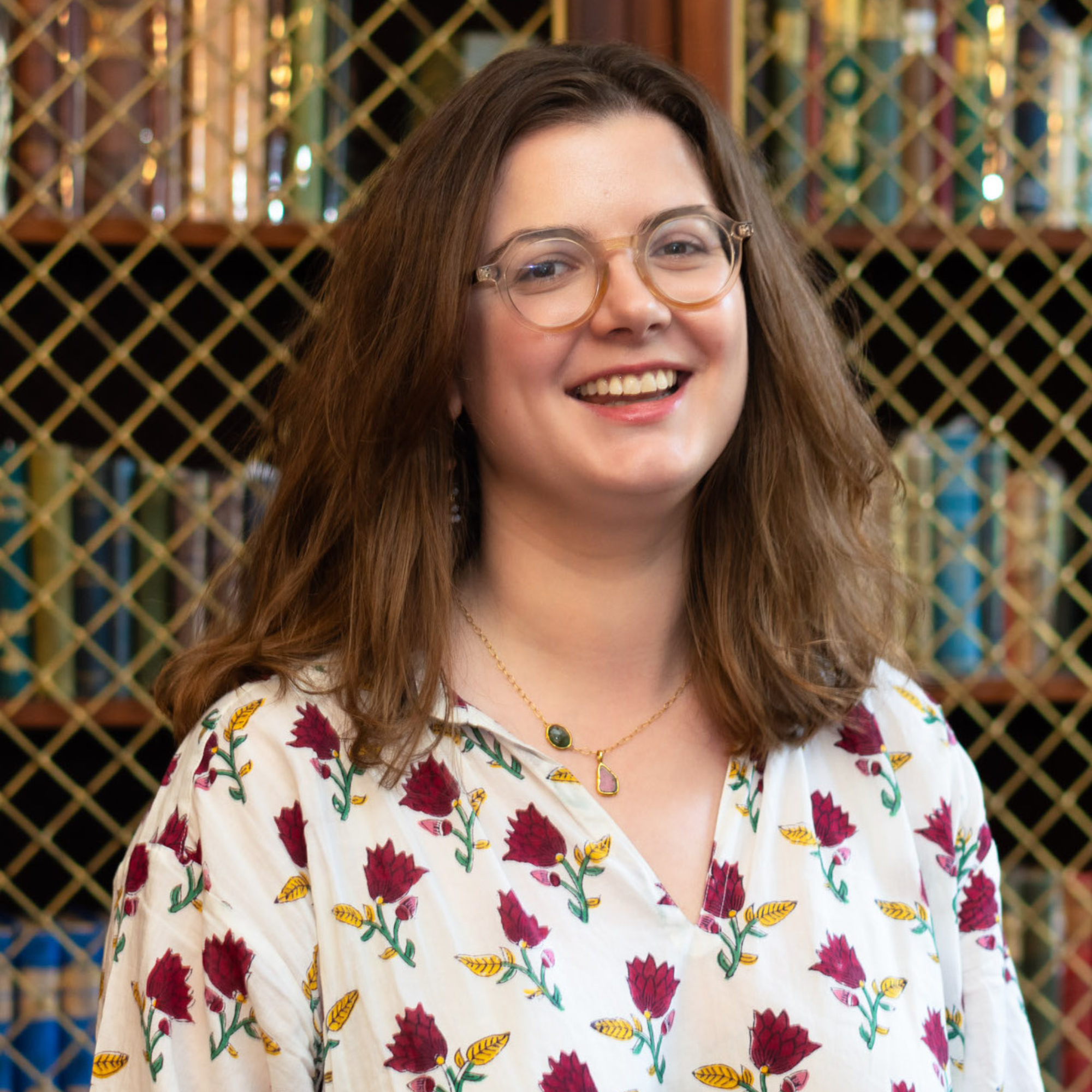
Course Convener
Prof. Hallie Nell Swanson
Lecturer in Humanities, NYU London
Hallie Nell Swanson is a specialist in South Asian and Islamic literary and material culture, currently teaching at NYU London. She holds a PhD in Religious Studies from the University of Pennsylvania (2025), an MSc in Modern South Asian Studies from the University of Oxford, and a BA in Comparative Literature & Society from Columbia University. Her research focuses on Islamicate manuscripts and works on paper. She has taught South Asian studies at the University of Oxford, Asian religions at the University of Pennsylvania, and Mughal art at the Courtauld Institute of Art, and worked with South Asian and Islamic collections in roles at the Penn Museum, Fitzwilliam Museum, and Smithsonian National Museum of Asian Art.
Dr. Shikha Jain
Director – Preservation and Community Design, DRONAH
Dr. Shikha Jain is Founder Director of DRONAH and a leading expert in Indian cultural heritage, with a practice spanning World Heritage, conservation, cultural landscapes, and museum planning. She has advised governments and international organisations across India, Singapore, Malaysia, the UAE, and Myanmar, and worked extensively with UNESCO, the Getty Foundation, and the World Monuments Fund. She has steered several UNESCO World Heritage listings in India, represented India on the UNESCO World Heritage Committee (2011–2015), and serves as Vice President of ICOFORT, ICOMOS, and as an expert member of the International Scientific Committee on Cultural Landscapes.
As Director of DRONAH, she has led over 60 conservation and museum planning projects across India, receiving HUDCO Awards in 2013 for two projects subsequently documented as Best Practice by the Ministry of Urban Development. She is State Convener of the INTACH Haryana Chapter and a member of the Advisory Committee on World Heritage under the Archaeological Survey of India.
Her publications include Living Heritage of Mewar: The City Palace, Udaipur (Mapin, 2017), Incredible Treasures: UNESCO World Heritage Sites of India (Mapin, 2021), and an essay in the catalogue for A Splendid Land at the Smithsonian Institution (2022), among several other authored and edited volumes on Rajasthan and Indian heritage. She is Visiting Faculty at the School of Planning and Architecture, New Delhi, and Adjunct Faculty at the Centre for Heritage Management, Ahmedabad University.
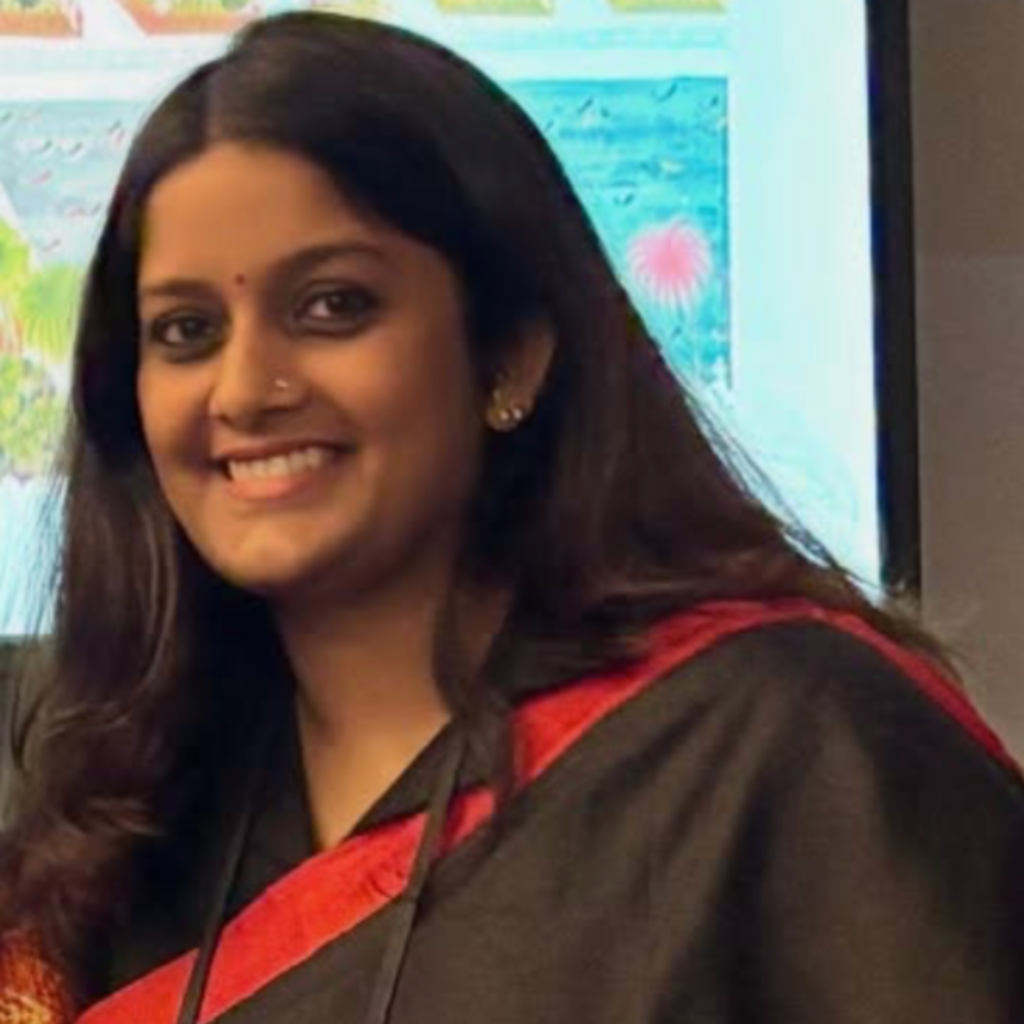
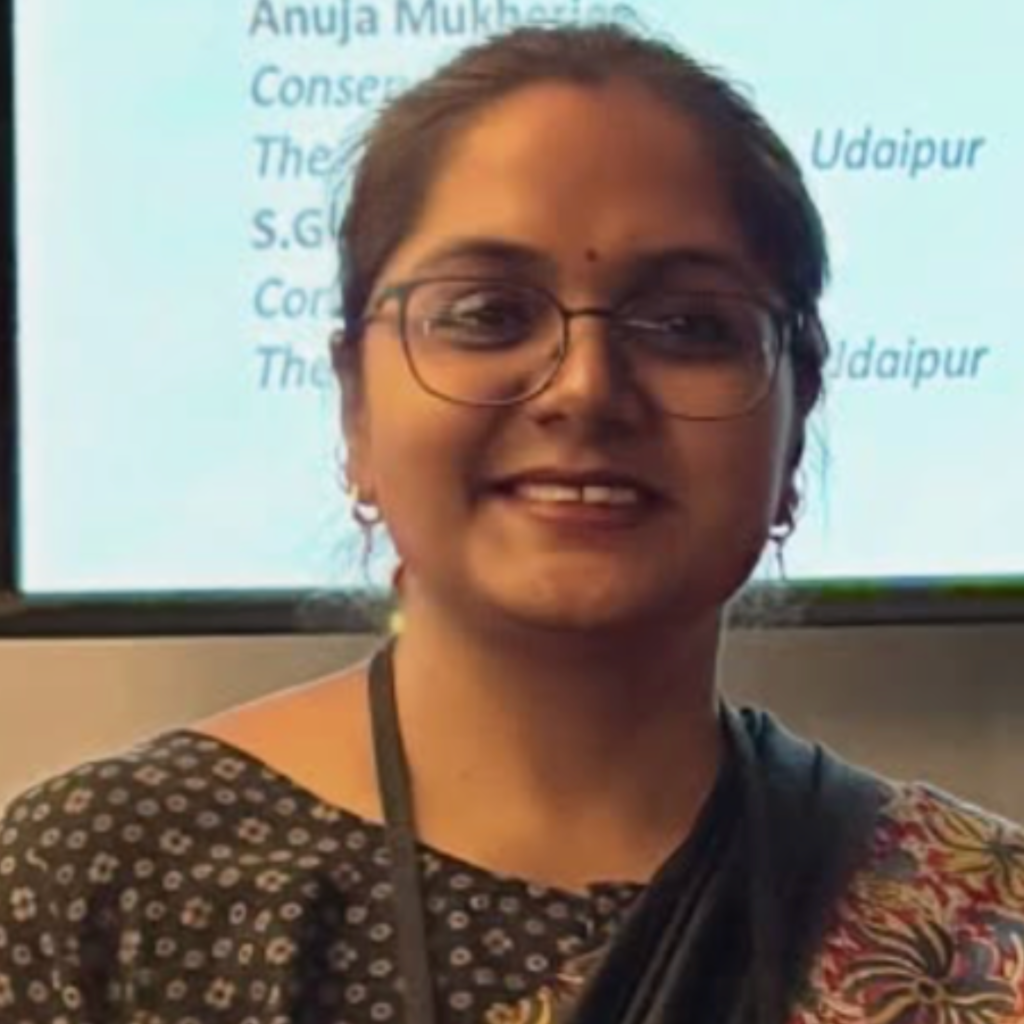
Ms. Anuja Mukherjee (Art Conservator, The City Palace Museum, Udaipur)
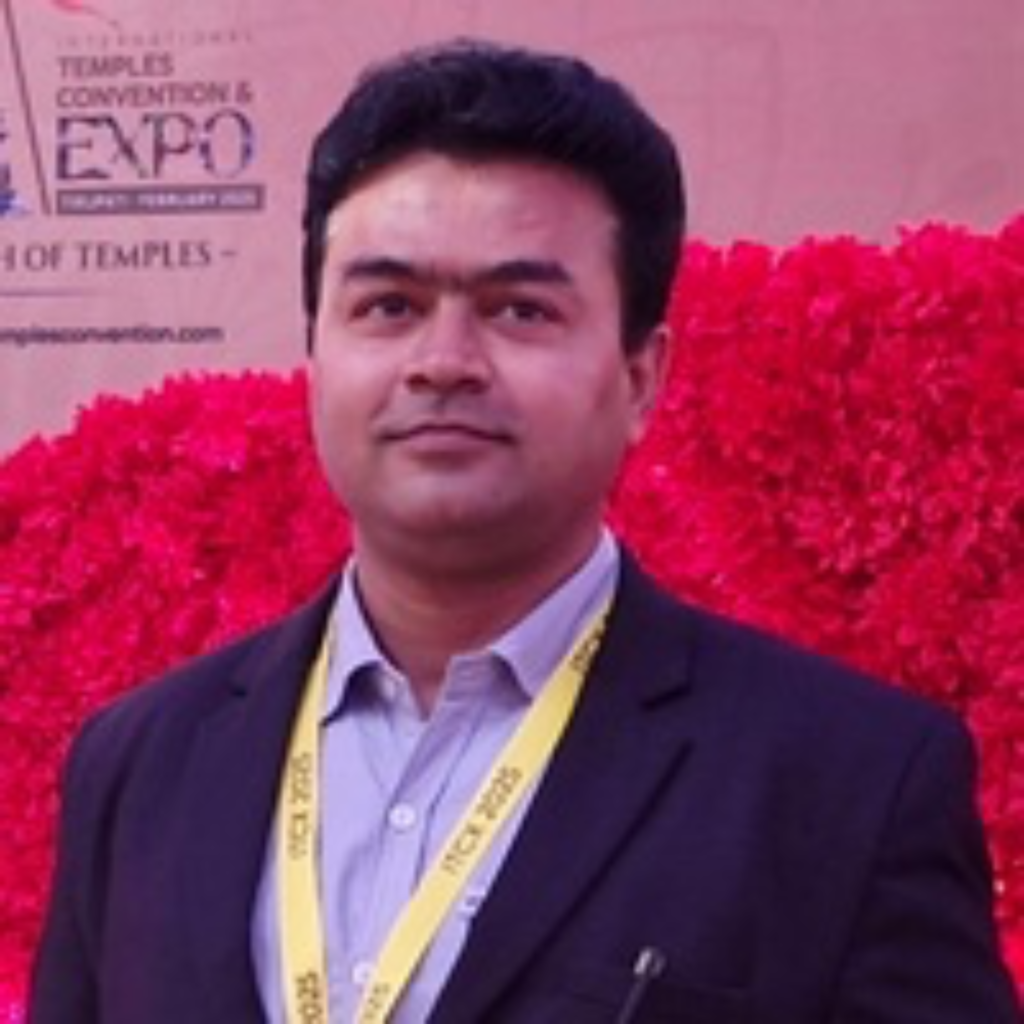
Ms. Bhasha Shah (Art Conservator, The City Palace Museum, Udaipur)
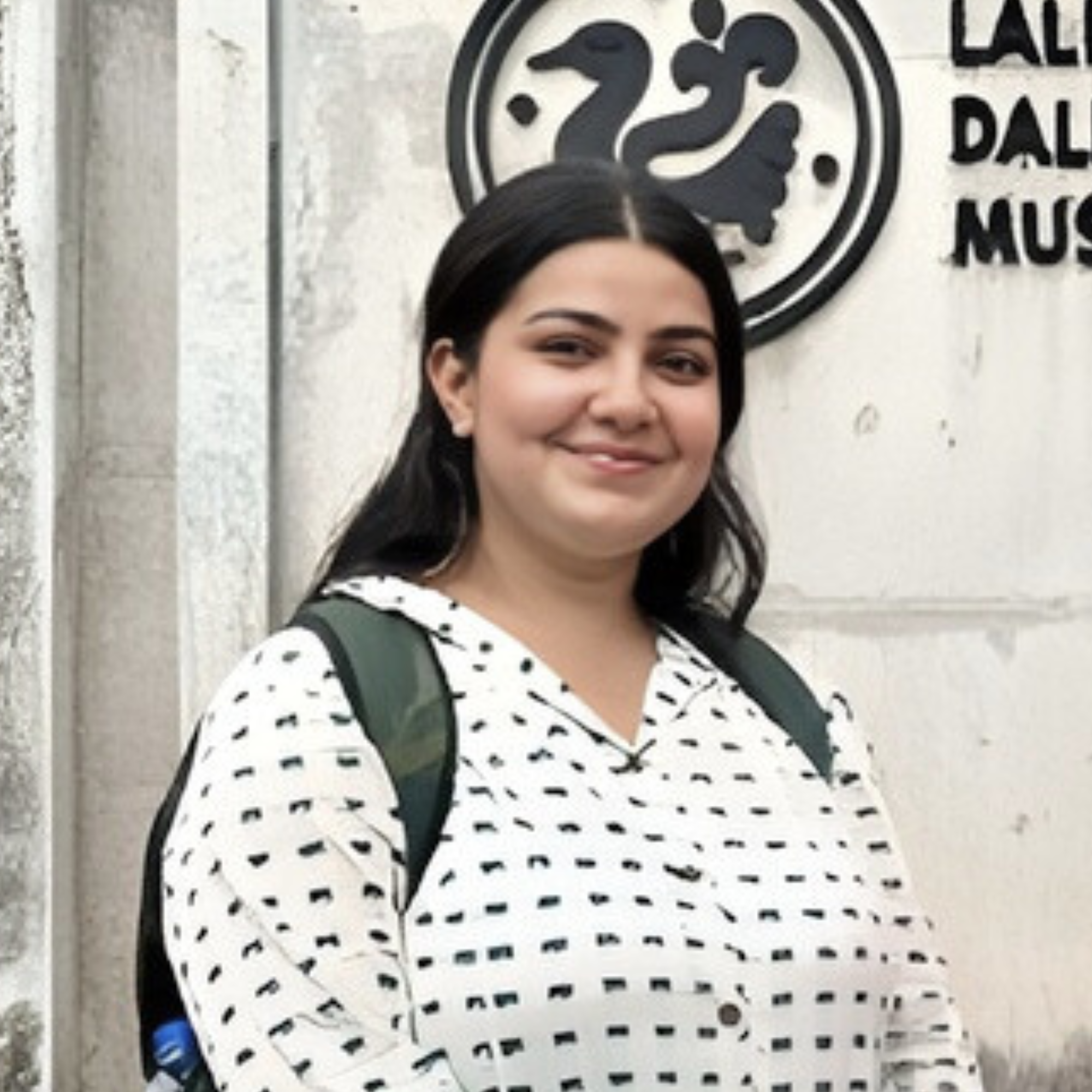
Dr. Hansmukh Seth (Associate Curator, The City Palace Museum, Udaipur)
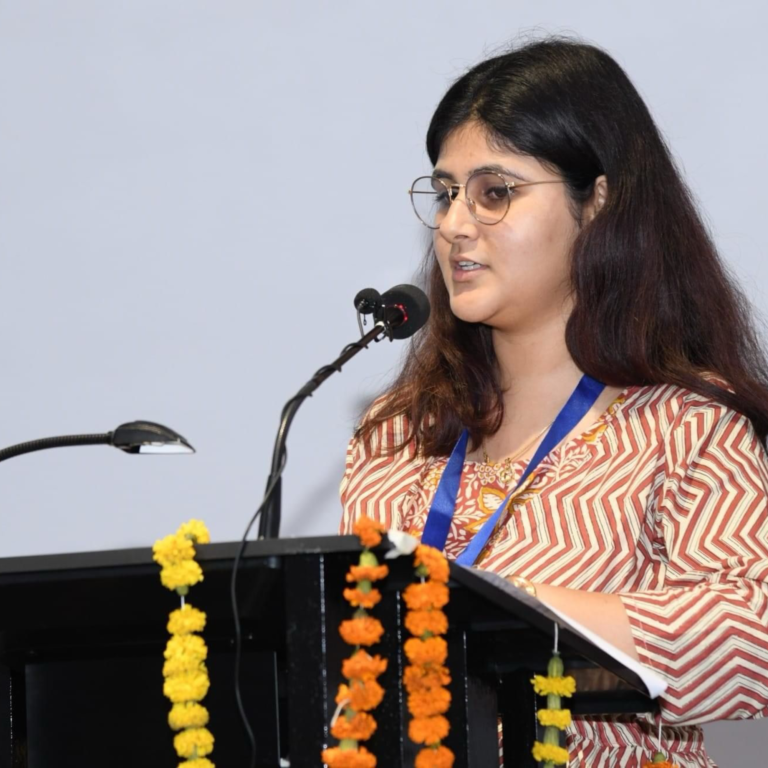
Ms. Vatsla (Assistant Curator, The City Palace Museum, Udaipur)
Ms. Geetika Kumar (Assistant Curator, The City Palace Museum, Udaipur)
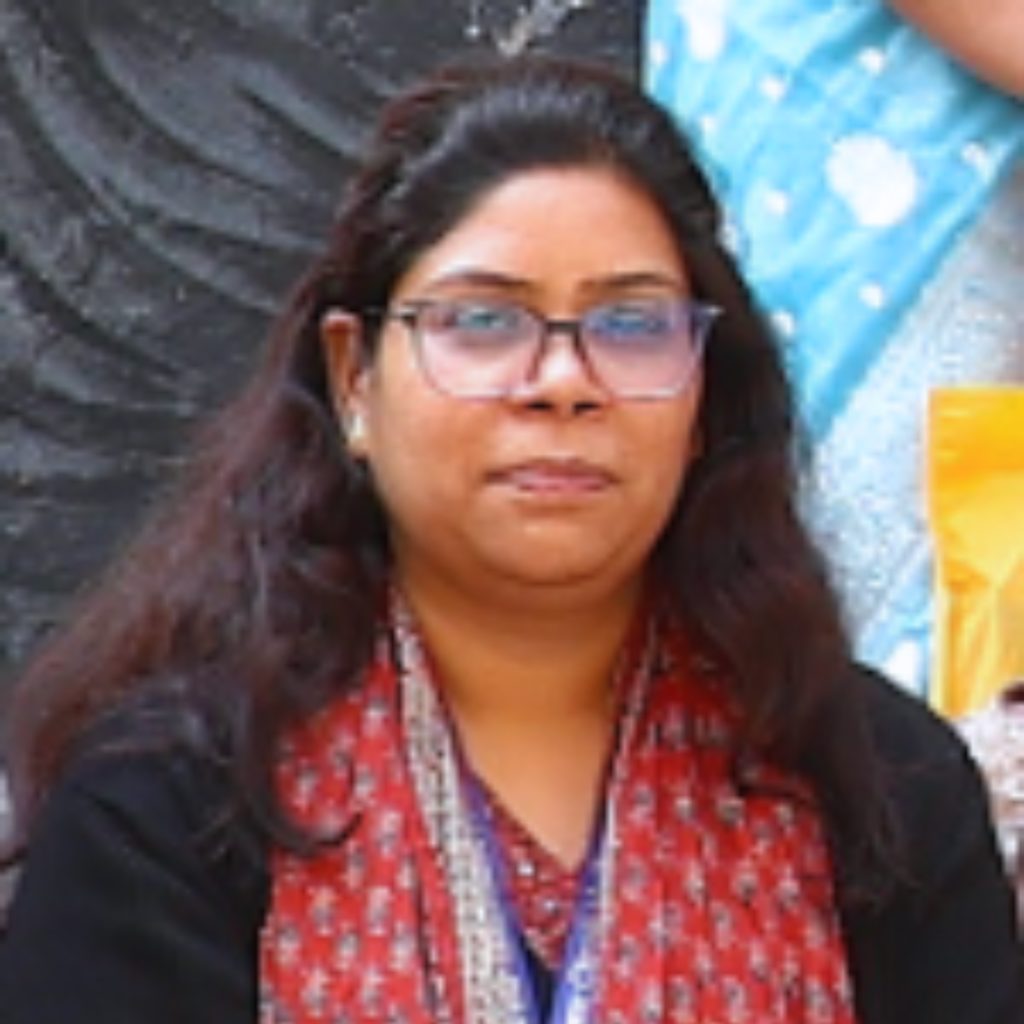
Dr. Swati Jain (Research Officer, The City Palace Museum, Udaipur)
Learning Outcomes
Participants will:
- Gain foundational training in museum studies and heritage documentation.
- Develop critical approaches to art historical and architectural inquiry.
- Understand the cultural life of eighteenth-century Udaipur through objects, spaces, and living practices.
- Build practical skills in cataloguing, conservation awareness, and curatorial thinking.
- Produce a portfolio-ready project suitable for academic or professional use.
Who Can Apply?
The course is open to anyone seeking to build a career in heritage management, museum studies, architecture, art history, cultural studies, history, or related fields. This includes undergraduate and postgraduate students, early-career professionals, and practitioners looking to deepen their engagement with heritage practice. No prior experience in museum work is required; applicants should have a genuine interest in art, culture, history, and heritage learning.
Internship Placement
Students whose capstone work meets the standards of the course will be considered for a one- to three-month placement at the City Palace Museum Udaipur or at partner institutions and museums (to be announced). The duration and nature of the placement will be determined in accordance with the student’s project focus and the requirements of the receiving institution.
Certification
Participants who complete the course on an audit basis will receive a Certificate of Participation upon completion of the on-site module.
Participants who complete all assignments and submit the final project will be awarded a 90-hour Certificate in Museum Studies and Heritage Practices, along with assessed project feedback and an internship opportunity.
All certificates are jointly issued by the Rajasthani Bhasha Academy and the Maharana of Mewar Charitable Foundation (MMCF).
Audit Track
The audit track covers the first two modules only. Participants who complete the audit track will receive a Certificate of Participation upon completion.
To receive the 90-hour Certificate in Museum Studies and Heritage Practices and the associated internship opportunity, participants must complete all three modules and submit the final project.